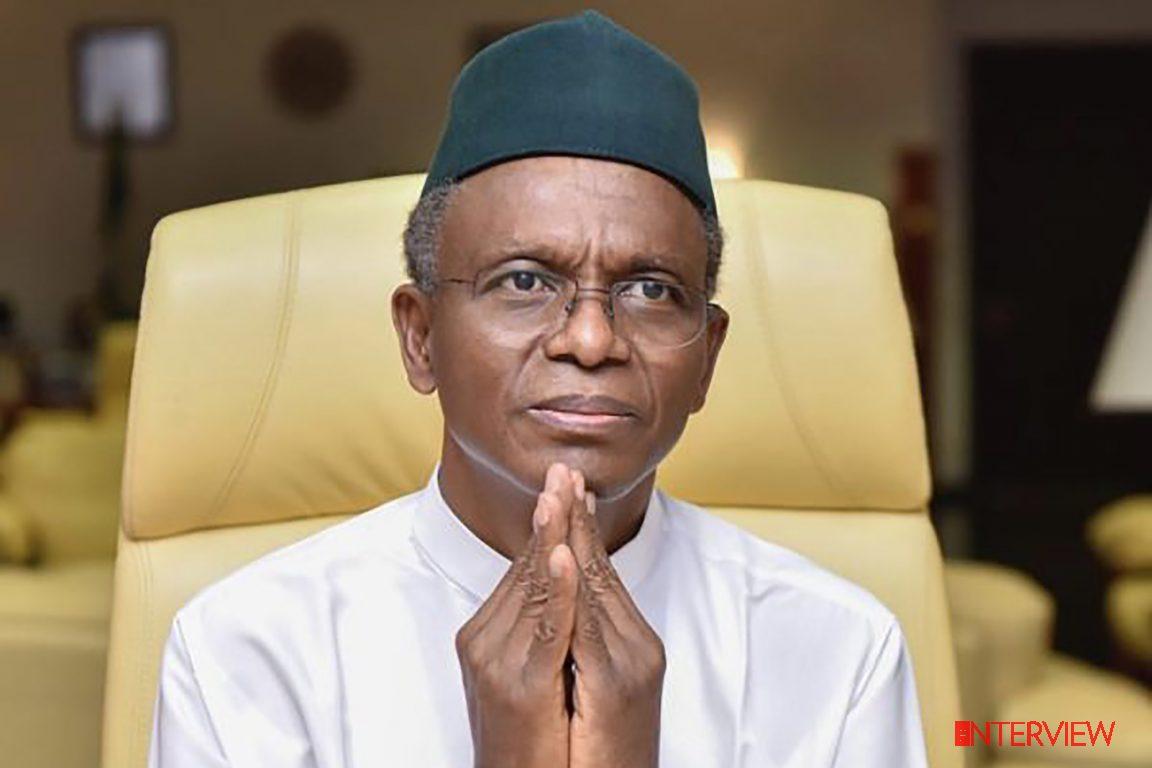

A High Court has granted former Kaduna State Governor, Nasir El-Rufai, bail in the sum of ₦100 million following his arraignment over an alleged defamation-related case.
The court ruling came after legal arguments presented by counsel to the former governor, who urged the court to grant bail on liberal terms, citing his client’s status as a senior public figure, his willingness to cooperate with investigators, and the absence of any flight risk.
In delivering the ruling, the presiding judge approved the ₦100 million bail application with conditions that include the provision of sureties and other requirements to be verified by the court registrar.
The case against El-Rufai is reportedly connected to statements alleged to have damaged the reputation of certain individuals and institutions, though full details of the charges were presented during proceedings. Prosecutors told the court that the matter relates to comments and publications considered defamatory under relevant provisions of Nigerian law.
El-Rufai, a prominent figure in Nigerian politics and a former Minister of the Federal Capital Territory (FCT), pleaded not guilty to the allegations brought against him. The courtroom witnessed heavy security presence as supporters, political associates, and legal observers gathered during the hearing. Proceedings attracted national attention due to El-Rufai’s influence within Nigeria’s political landscape and his outspoken involvement in recent political debates.
Following the ruling, the court adjourned the matter to a later date for continuation of hearing and possible commencement of trial proceedings. Legal analysts say the case may generate wider political and legal discussions regarding freedom of expression, public commentary by political office holders, and the limits of defamation laws in Nigeria’s democratic environment.
Supporters of the former governor have described the charges as politically motivated, while others insist that public officials and political actors must remain accountable for statements made in the public domain.
The development adds to ongoing political tensions ahead of future electoral realignments and internal debates within Nigeria’s major political blocs.