

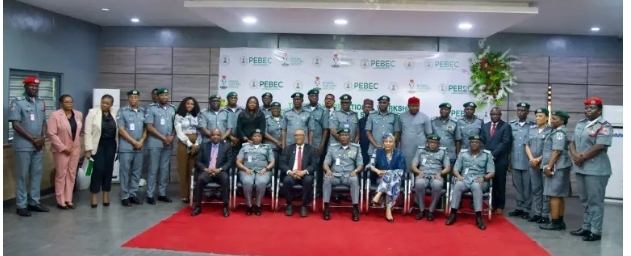
The Nigeria Customs Service, in partnership with the Presidential Enabling Business Environment Council (PEBEC), has intensified efforts to overhaul port operations, with a focus on speeding up cargo clearance and improving overall trade efficiency.
The renewed reform push was unveiled during a three-day operational workshop in Apapa, bringing together customs officers and key industry stakeholders to tackle persistent delays, streamline inspection processes, and strengthen inter-agency coordination.
Comptroller-General of Customs, Adewale Adeniyi, highlighted five key priorities guiding the initiative: joint cargo inspections, adoption of risk-based clearance systems, deployment of advanced scanning technology, strict enforcement of service timelines, and enhanced collaboration among relevant agencies.
He stressed that the focus has now shifted from policy formulation to full implementation, noting that consistency in applying existing measures is critical to achieving meaningful results across all port commands.
Adeniyi also called for a transition to intelligence-driven cargo processing, emphasizing that ongoing investments in digital platforms and scanning infrastructure must deliver faster, more transparent, and predictable services for traders.
On her part, PEBEC Director-General, Zahrah Mustapha-Audu, underscored the importance of data-driven inspections, explaining that targeting high-risk consignments will significantly reduce delays and lower the cost of doing business in the country.
Deputy Comptroller-General Caroline Niagwan reaffirmed the strategic role of Customs in driving economic growth, as stakeholders also reviewed progress on the National Single Window project aimed at closing operational gaps and enhancing Nigeria’s competitiveness in global trade.