

The United Kingdom has announced plans to deploy fighter jets, drones and a Royal Navy warship as part of a multinational security mission aimed at protecting commercial shipping in the Strait of Hormuz, one of the world’s most critical oil transit routes.
The move follows growing tensions in the Gulf region, where fears of attacks on commercial vessels have raised concerns over global energy supplies and international trade.
British authorities said the operation is designed to safeguard ships passing through the Strait of Hormuz, a narrow but strategic waterway through which nearly 20 per cent of the world’s oil supply is transported daily.
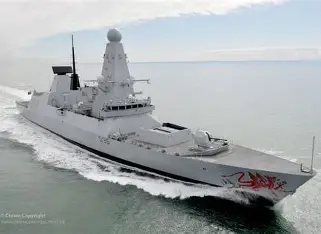
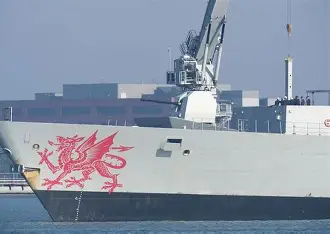
As part of the mission, the UK will deploy Eurofighter Typhoon jets for air patrol operations, autonomous mine-hunting drones, counter-drone defence systems and the Royal Navy destroyer, HMS Dragon.
The British government also confirmed additional funding of £115 million to support the security operation.
According to UK officials, the mission is defensive and focused on protecting commercial vessels, clearing potential naval mines and preventing attacks that could further destabilise maritime activities in the region.
The operation is reportedly being coordinated alongside France and other allied nations, with more than 40 countries expected to participate in discussions on securing the waterway. Security concerns in the Gulf have intensified in recent weeks following renewed regional tensions involving Iran, the United States and Israel, leading to fears of possible disruptions to global oil shipments.
Analysts warn that any prolonged instability in the Strait of Hormuz could trigger sharp increases in global crude oil prices, fuel transportation costs and inflation across several countries. Economic experts say nations heavily dependent on imported petroleum products, including Nigeria, could also feel the impact through higher fuel and diesel prices if tensions continue to escalate.
The deployment of HMS Dragon, one of Britain’s advanced air-defence destroyers equipped with missile interception systems, signals the seriousness of international efforts to maintain stability and ensure uninterrupted global trade through the Gulf route.
Despite assurances from the UK that the operation is not intended as an offensive military action, observers say the increasing military presence in the region could further heighten geopolitical tensions if diplomatic solutions are not reached soon.