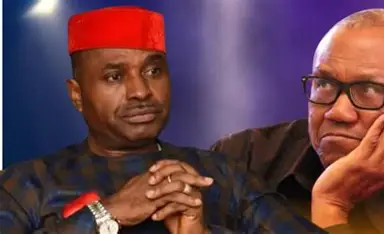

A former spokesman of the Labour Party Presidential Campaign Council, Kenneth Okonkwo, has released what he described as WhatsApp conversations and supporting documents allegedly linking former presidential candidate Peter Obi to the collection of millions of naira from aspirants during the nomination process in the South-East.
The development is the latest twist in the growing feud between the former political allies, with Okonkwo insisting that the documents support his earlier allegations that aspirants seeking elective positions were compelled to make substantial payments to secure party nominations.
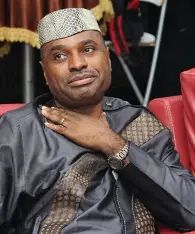
According to Okonkwo, the WhatsApp exchanges involved an aspirant identified as Obunike Ohaegbu, who allegedly complained about the payments demanded during the nomination exercise. He claimed the aspirant provided receipts and messages indicating that House of Representatives aspirants were allegedly required to pay ₦10 million, while those seeking Senate tickets paid as much as ₦20 million.
Okonkwo maintained that the evidence was released in the public interest and to seek justice for aspirants who, according to him, may have been unfairly treated during the process. He called on relevant anti-corruption and security agencies to investigate the allegations and determine the authenticity of the documents.
The actor-turned-politician further argued that aspirants who made such payments should be refunded if investigations establish that the funds were improperly collected.
However, Peter Obi has strongly denied the allegations, describing them as false, malicious and defamatory. Through his legal representatives, the former Anambra State governor insisted that neither he nor officials acting on his behalf demanded or received bribes from aspirants.
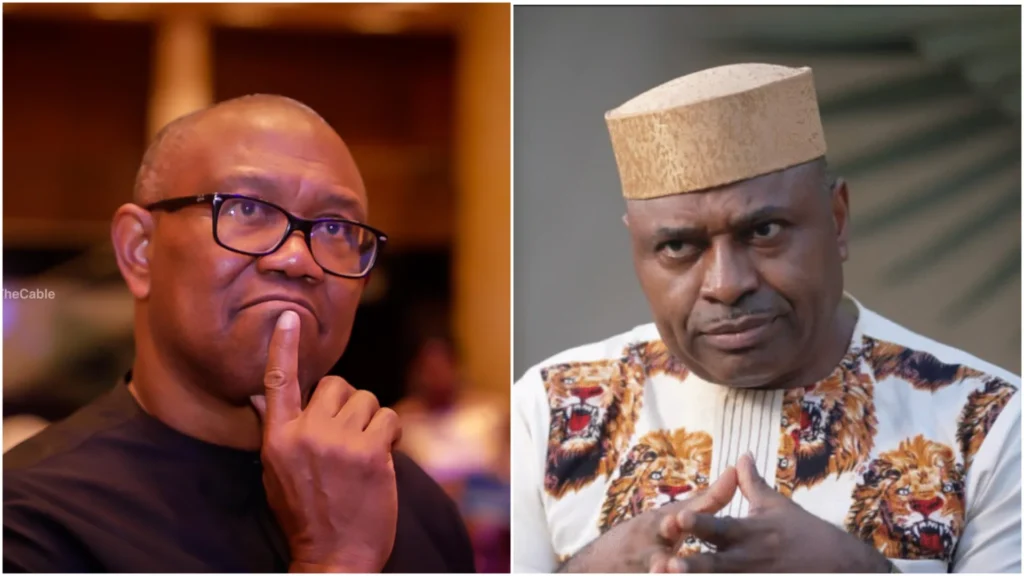
Obi’s lawyers subsequently issued a legal demand seeking an immediate retraction of the claims, a public apology and substantial monetary damages, warning that failure to comply could result in further legal action against Okonkwo.
The controversy has intensified tensions between the two politicians, who once worked closely together during the 2023 presidential election campaign. Their relationship has deteriorated in recent months amid political disagreements and differing positions on developments within opposition politics.
While the allegations have generated widespread debate across political circles and social media platforms, no independent law enforcement agency has publicly verified the authenticity of the alleged WhatsApp messages, receipts or other documents released by Okonkwo.
Observers say the dispute could ultimately be resolved in court, where both sides may be required to present evidence to substantiate their claims and counterclaims.
As the controversy unfolds, supporters of both men continue to await the outcome of any official investigation or legal proceedings that may emerge from the allegations, which have once again placed issues of transparency and accountability in Nigeria’s political landscape under public scrutiny.