

The Universal Basic Education Commission (UBEC) has announced that its interventions have reached over 8.7 million learners across Nigeria within the past year, as part of ongoing efforts to reposition the country’s basic education sector. The commission also revealed that more than N100 billion in previously unassessed education funds have now been unlocked, with over 30 states and the Federal Capital Territory actively utilizing the resources.
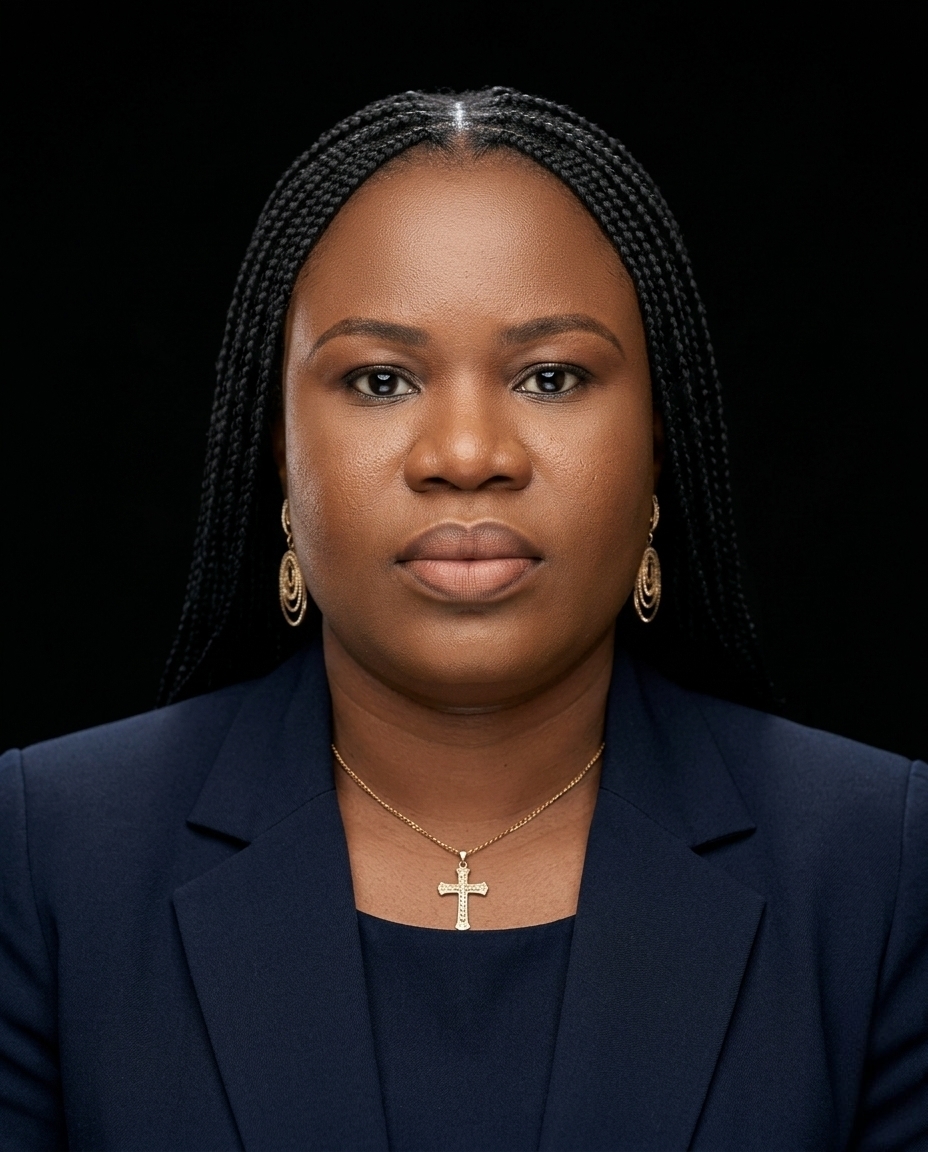
UBEC Executive Secretary, Aisha Garba, disclosed this on Tuesday in Abuja during the commission’s 29th quarterly meeting with Executive Chairmen of State Universal Basic Education Boards (SUBEBs).
The meeting, themed “Accelerating Basic Education Performance Through Digitally Enabled Coordination,” focused on improving collaboration and leveraging technology to enhance service delivery.
Garba said the achievements were recorded through joint interventions by UBEC and SUBEBs under the Federal Government’s Renewed Hope Agenda.
We have also trained nearly 500,000 teachers,” she stated.
“In just one year, we have impacted more than 8.7 million learners through the provision of instructional materials, improved learning environments, water and sanitation facilities, and furniture.
She described the progress as a significant shift from routine administration to a more structured and coordinated reform approach in basic education.
“Over the past year, we have entered a decisive phase in the evolution of universal basic education in Nigeria. The focus has moved from business as usual to a more systematic, large-scale reform nationwide,” Garba added.
The UBEC boss attributed the improved performance to better funding access and stronger collaboration with state governments.
“We have unlocked over N100 billion that was previously unassessed. Today, more than 30 states and the FCT are drawing from these funds more effectively,” she said.
Garba further noted that project execution had improved significantly, with about 95 per cent of interventions for 2025 already completed.
On digital transformation, she emphasized that technology is now central to the commission’s reform strategy, particularly in planning, monitoring, and accountability.
“Digitalization is not limited to classroom tools. It involves the entire management and administrative process of basic education,” she explained.
She disclosed that from 2026, all basic education action plans would be fully digitized to enhance efficiency, transparency, and access to real-time data for stakeholders and development partners.
However, Garba raised concerns over inadequate infrastructure in some schools, citing overcrowding and poor sanitation facilities.
“We have seen schools with over 5,000 pupils and fewer than 10 toilets. This is unacceptable. There must be minimum standards,” she stressed.
In his remarks, the Chairman of SUBEB in Kwara State and Dean of SUBEB Chairmen, Professor Shehu Adaramaja, commended the digital reform agenda but cautioned that implementation challenges must be addressed to achieve desired outcomes.
The meeting underscored the need for sustained collaboration between federal and state education authorities to consolidate gains and improve learning conditions nationwide.