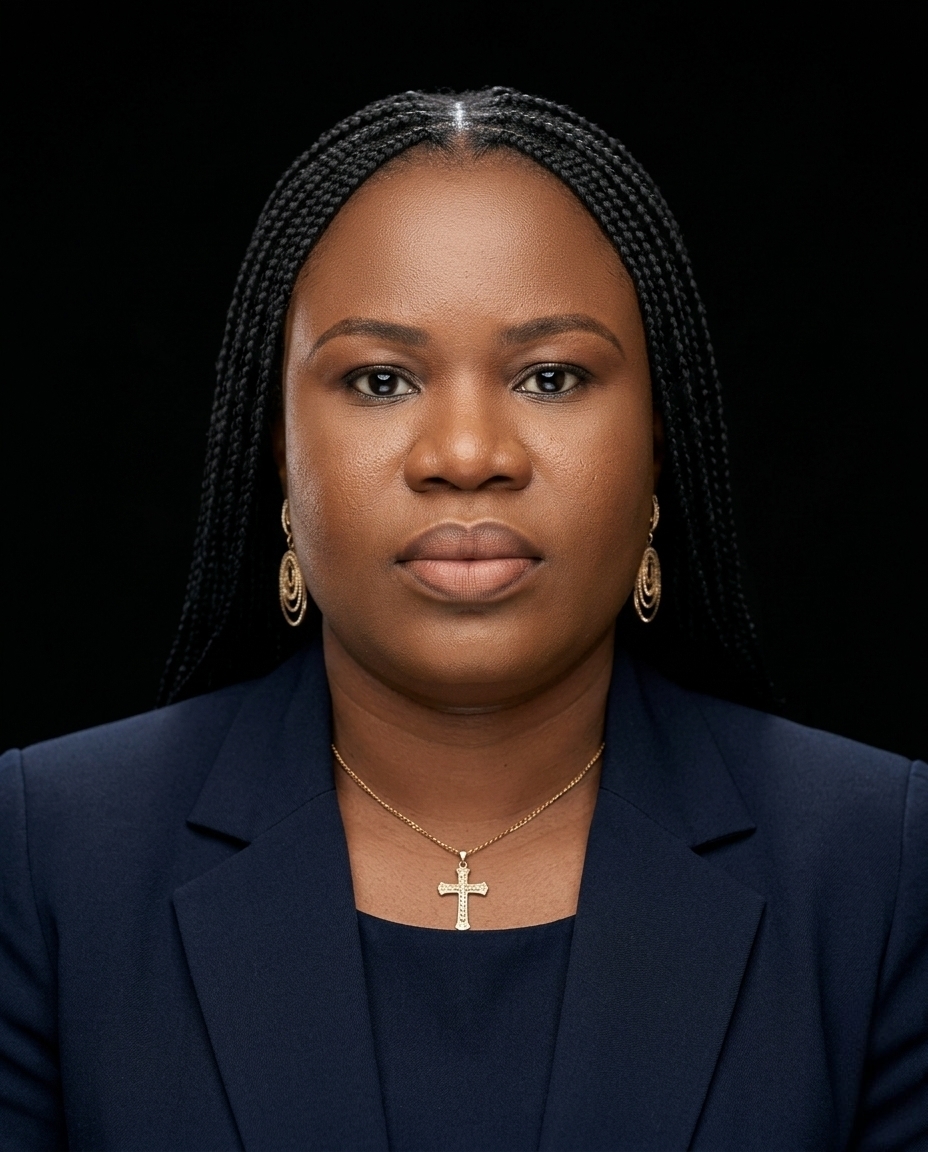
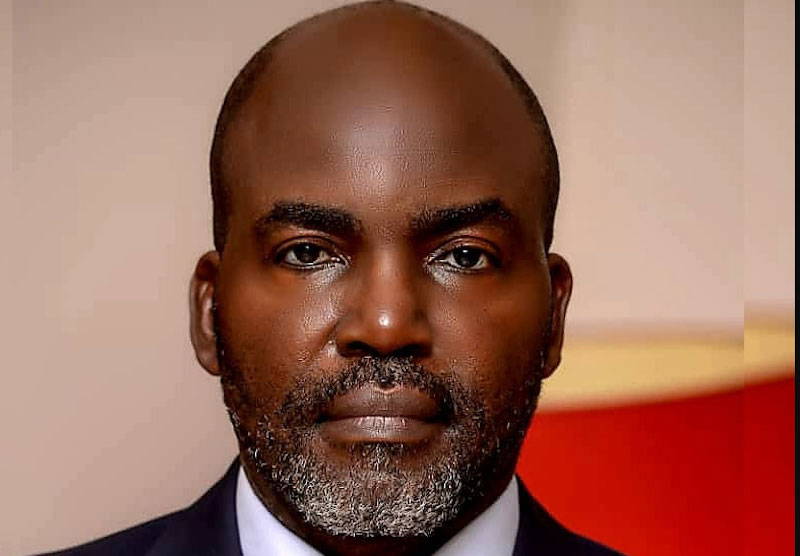

Deacon Chris Iyovwaye, governorship candidate of the Nigeria Democratic Congress (NDC) in the 2027 Delta State governorship election, has said the endorsement of Governor Sheriff Oborevwori by the Forum of Urhobo Traditional Rulers, known as Ukoko R’Ivie R’Urhobo, does not take away the right of Deltans to choose their governor at the polls.
The Urhobo traditional rulers had on September 10, 2026, adopted Governor Oborevwori as the “sole candidate” of the Urhobo Nation for the 2027 governorship election. The decision was announced at a press briefing at the Palace of the Ovie of Uvwie Kingdom in Effurun, Delta State. The monarchs said their position was influenced by concerns over political tension and alleged thuggery in parts of Urhobo land. Reacting in a statement dated September 12, Iyovwaye said he respected the traditional institution and the role of royal fathers as custodians of Urhobo history, culture and values.
However, he maintained that there was a distinction between traditional counsel and constitutional authority. According to him, traditional rulers have the right to express their views and offer guidance, but the choice of governor ultimately rests with the electorate through the ballot box. Iyovwaye said the issue should not be reduced to ethnic endorsement, arguing that Delta State belongs to all its people, including Urhobo, Ijaw, Itsekiri, Isoko, Anioma and other communities across the state. He therefore challenged political leaders and the electorate to focus on measurable development, including job creation, industrialisation, healthcare, education, infrastructure and opportunities for young people.
The NDC candidate questioned what specific achievements should form the basis of political endorsements ahead of the 2027 election. He asked whether Deltans were endorsing the number of sustainable jobs created for young people, industries established, businesses supported, improvements in power and infrastructure, healthcare delivery, educational opportunities or efforts to diversify the state’s economy beyond oil.
Iyovwaye also referred to the state’s 2026 budget proposal of ₦1.664 trillion, which included ₦720 billion projected from statutory allocation, ₦250 billion from internally generated revenue and ₦120 billion from Value Added Tax. The 2026 budget proposal, presented by Governor Oborevwori, allocated ₦1.165 trillion, or 70 per cent, to capital expenditure, while ₦499 billion was earmarked for recurrent expenditure.
Against this background, Iyovwaye said the key question should not only be how much revenue the state receives, but what measurable economic benefits Deltans derive from the resources available to government. Iyovwaye also raised questions about the political relationship between the Delta State Government and the Federal Government.
Governor Oborevwori is currently seeking another term on the platform of the All Progressives Congress (APC), after moving from the Peoples Democratic Party (PDP). Iyovwaye argued that if political alignment with the Federal Government is presented as an advantage, Deltans should be able to identify tangible benefits from such alignment in their communities and businesses.
He said government performance should be assessed through outcomes rather than political arrangements, budgets or the volume of contracts awarded. “Political alignment is not development. Budgets are not development. Contracts are not development,” Iyovwaye said, stressing that development should be measured by improvements in the lives and economic prospects of citizens.
He acknowledged the state government’s reported investments in roads, bridges and other infrastructure but argued that expenditure alone should not automatically be equated with economic transformation. Among the questions he raised were the number of sustainable private-sector jobs created, the number of industries currently operating and employing Deltans, improvements in the business environment and measurable progress in healthcare and education.
Iyovwaye said the 2027 governorship election should focus on performance, accountability, competence and vision rather than endorsements and political arrangements. “These are not partisan questions. They are questions every responsible government should be prepared to answer,” he said. The NDC candidate also said Delta State needed budgets and projects that would generate lasting economic value and improve the productive capacity of the state.
He said the electorate should be able to assess the government based on the tangible results of public expenditure. Despite his disagreement with the endorsement, Iyovwaye said he had no intention of confronting the traditional institution. He disclosed that he would formally request an audience with the Ukoko R’Ivie R’Urhobo to present his vision for Delta State directly and respectfully.
He said traditional rulers deserved to hear from every serious contender for the governorship, while Deltans should also have the opportunity to hear and compare the programmes and visions of the candidates.
Iyovwaye said he would continue his campaign across the state and would not withdraw from the race. “I respect our royal fathers. I respect Governor Oborevwori’s right to run. And above all, I respect the sacred right of every Deltan to choose,” he said. He added that his campaign would remain peaceful, constructive and firm. “I will not step down,” Iyovwaye declared.